Aeruans: Vintage Sans Serif for Web Design
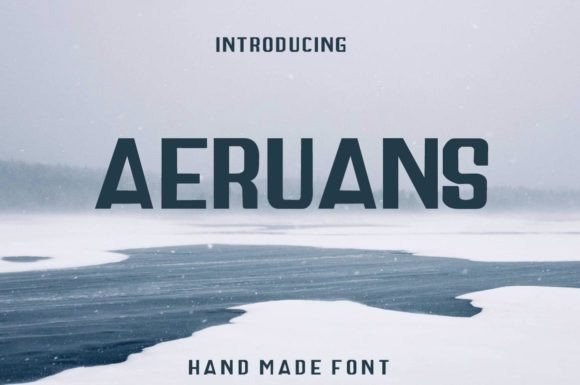
As a web designer, I’m always on the lookout for fonts that bring personality to a site without sacrificing clarity. Aeruans is one of those rare finds—a vintage-style sans serif that feels both modern and nostalgic. It’s perfect for headlines, logos, and visual accents where style matters but readability can’t be compromised.
First Impressions on a Website Layout
I first tested Aeruans in a hero section of a boutique online store. The font’s subtle curves and clean lines gave the page a warm, inviting feel. It stood out against a dark background without feeling too bold, making it ideal for headings that need to command attention but still blend with the overall design.
The font’s weight variations were especially useful. I used a lighter weight for subheadings and a bolder version for the main title. It created a clear visual hierarchy while maintaining a cohesive aesthetic across the site.
Responsive Design and Mobile Usability
On mobile devices, Aeruans held up well. Its open letterforms prevented any issues with legibility at smaller sizes, which is crucial for users scrolling through content on their phones. I placed it over an image banner for a landing page, and it didn’t get lost in the background. The contrast was just right, ensuring the text remained easy to read even on darker or patterned backgrounds.
I also tested it on a call-to-action button. The font’s unique character made the button stand out without being overwhelming. It worked well alongside a simple sans serif for body text, creating a balanced look that felt professional yet creative.
Brand Identity and Visual Consistency
Aeruans has a distinct personality that makes it great for brand identity. When I used it in a digital brand kit, it added a touch of authenticity that felt right for a small business looking to build trust. The font’s vintage flair paired well with a clean, modern sans serif for body copy, creating a contrast that felt intentional and stylish.
It also worked well as a logo font. I experimented with it on a portfolio website, and it gave the site a personal, handmade vibe that aligned with the creator’s brand. It wasn’t too flashy, but it had enough character to make the site feel memorable.
Best Uses for Aeruans in Web Projects
Aeruans shines in areas where visual impact is key. I’ve used it for:
- Hero section headlines
- Call-to-action buttons
- Portfolio project titles
- Blog headers
- Course landing pages
- Digital ads and social media graphics
It’s not the best choice for long paragraphs or dense navigation menus. But when used sparingly, it adds a layer of creativity that can elevate a site from good to great.
Font Pairing and Web Performance
Pairing Aeruans with a simple sans serif like Open Sans or Lato was a natural choice. The combination kept the design clean while letting the vintage font shine in key areas. For a more editorial look, I tried pairing it with a serif font like Merriweather. It worked well for blog layouts, giving the site a classic, refined feel.
When using Aeruans on a website, I always check the webfont availability. It’s important to ensure the font loads quickly and displays consistently across devices. I also recommend checking for alternate characters and ligatures, which can add subtle design touches that make a big difference.
For commercial use, I made sure to verify the licensing terms. Aeruans is suitable for websites, client projects, and digital templates, but it’s always good to double-check the details before integrating it into a live site.
Final Thoughts on Aeruans for Web Design
Aeruans is a versatile font that brings a unique charm to web projects. It’s not a one-size-fits-all solution, but when used correctly, it can add a level of sophistication that makes a site feel more human. Whether you’re designing a portfolio, a product landing page, or a coaching website, Aeruans offers a fresh alternative to the usual sans serifs.
If you’re looking for a font that balances style with usability, Aeruans is worth considering. It’s a solid addition to any designer’s toolkit, especially when the goal is to create a memorable, visually appealing online presence.