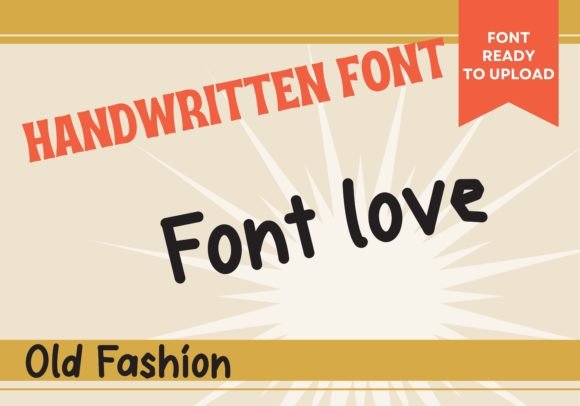
Old Fashion Font for Business Branding
As a small business owner, I’ve learned that even the smallest details can make a big difference in how customers perceive your brand. One of the most powerful tools I’ve discovered is typography. It’s not just about choosing a pretty font—it’s about finding a typeface that reflects your brand’s personality and helps you stand out. That’s why I was excited to try the Old Fashion font, a vintage-inspired typeface that brings a touch of nostalgia to any project.
A Real-World Business Moment
I recently had to update the packaging for my boutique’s handmade candles. The labels were looking a bit tired, and I wanted something that felt more authentic and refined. I turned to Old Fashion, hoping it would add that classic, handcrafted feel. What I found was a font that perfectly balanced charm with clarity, making it ideal for both print and digital use.
What Is Old Fashion?
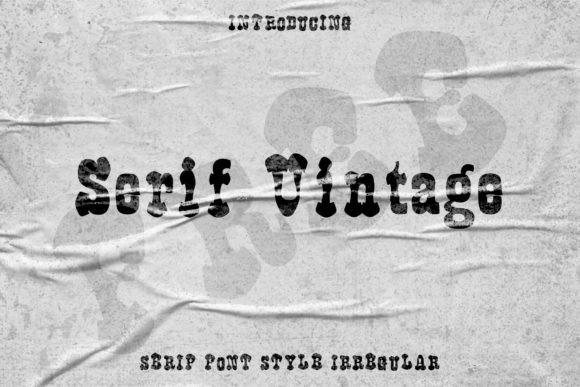
Old Fashion is a serif typeface with a warm, handwritten aesthetic. It has a slightly uneven baseline, which gives it a humanized, artisanal look. This makes it perfect for brands that want to evoke a sense of tradition, craftsmanship, or nostalgia. The font feels like it was drawn by hand, with subtle variations in stroke weight and letterforms that add character without sacrificing readability.
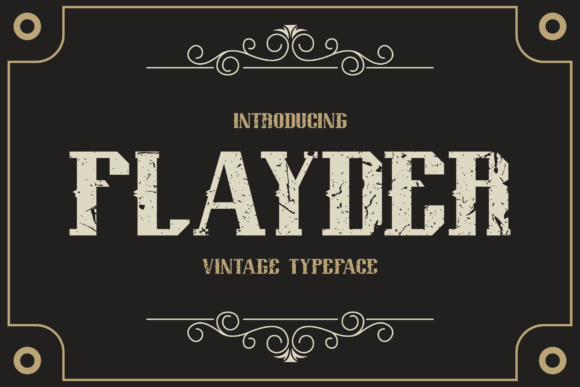
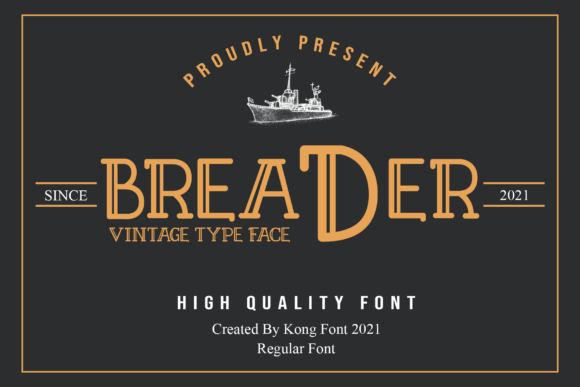
Its style is reminiscent of old-timey signage, typewritten documents, and vintage posters. Whether you’re designing a logo, a menu, or a social media graphic, Old Fashion adds a unique visual identity that sets your brand apart.
Using Old Fashion in Business Materials
One of the first places I used Old Fashion was on a new product label for a candle line. The font looked great against the soft, earthy tones of the packaging, giving it a timeless appeal. It worked well as a headline, drawing attention without overwhelming the design. I also used it on thank-you cards, where its friendly yet professional tone helped reinforce the brand’s values.
For a café menu redesign, I paired Old Fashion with a clean sans serif font for the body text. This contrast made the menu easy to read while still maintaining a cohesive, nostalgic vibe. The font also worked well on Instagram posts and online shop banners, where it added a personal touch to promotional graphics.
When to Use Old Fashion
Old Fashion shines as a display font. It’s best suited for headlines, logos, and short phrases where its character can really come through. It’s not ideal for long paragraphs, but when used strategically, it can elevate the visual appeal of any design.
It works especially well on product packaging, business cards, and website banners. For smaller labels or mobile screens, I recommend using it sparingly—maybe just for a brand name or tagline. On printed materials, it adds a tactile, handcrafted feel that customers appreciate.
Font Pairing Tips
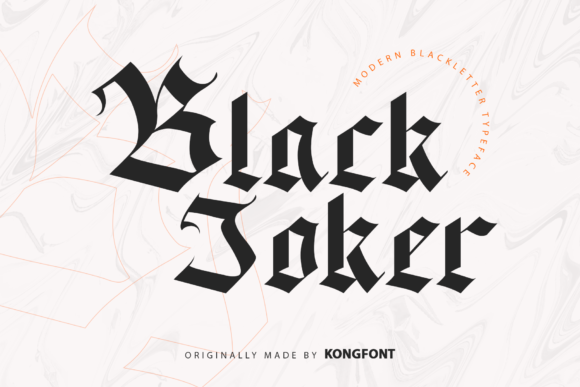
Pairing Old Fashion with other fonts can help balance its ornate style. A simple sans serif like Open Sans or Lato makes a great complement, providing contrast without clashing. For a more elegant look, try pairing it with a classic serif font like Georgia or Cinzel. If you want to keep things casual, a script or handwritten font like Great Vibes or Lobster can add a playful touch.
When working with digital ads or social media graphics, keep the design clean and avoid overloading the layout. Use Old Fashion for key elements like headlines or callouts, and let the rest of the design support it with simpler typography.
Considerations for Small Businesses
Old Fashion is part of a growing trend of freebies in the design community, making it accessible for small businesses on a budget. Before using it on commercial projects, check the licensing terms to ensure it’s suitable for your needs. Some fonts may require attribution or have restrictions on resale, so it’s always good to double-check.
If you’re using Old Fashion for a logo or branding material, consider testing it in different sizes and formats. Make sure it looks good in both print and digital contexts. Also, pay attention to the font’s alternates and ligatures—these small details can make a big difference in the final result.
Overall, Old Fashion is a versatile and appealing choice for businesses looking to add a vintage flair to their branding. It’s a reminder that sometimes, going back to basics can make your brand feel more authentic and memorable.
Final Thoughts
Typography is one of the most overlooked aspects of branding, but it plays a crucial role in how your business is perceived. Old Fashion offers a unique blend of style and functionality that can help small businesses create a more polished and consistent look. Whether you’re updating packaging, redesigning a menu, or building an online presence, this font is worth considering as part of your design toolkit.